If you’re in the firearms and outdoor industry, you’ve probably heard — or even made — some of these excuses before.
The truth is, running a business in this space is no small feat. Competition is fierce, customer expectations are high, and shifting regulations add another layer of complexity. But often, what holds businesses back isn’t just external factors; it’s internal ones. Here are some of the most common excuses that are holding your business back.
- “I can’t compete with big-box stores and Amazon.”
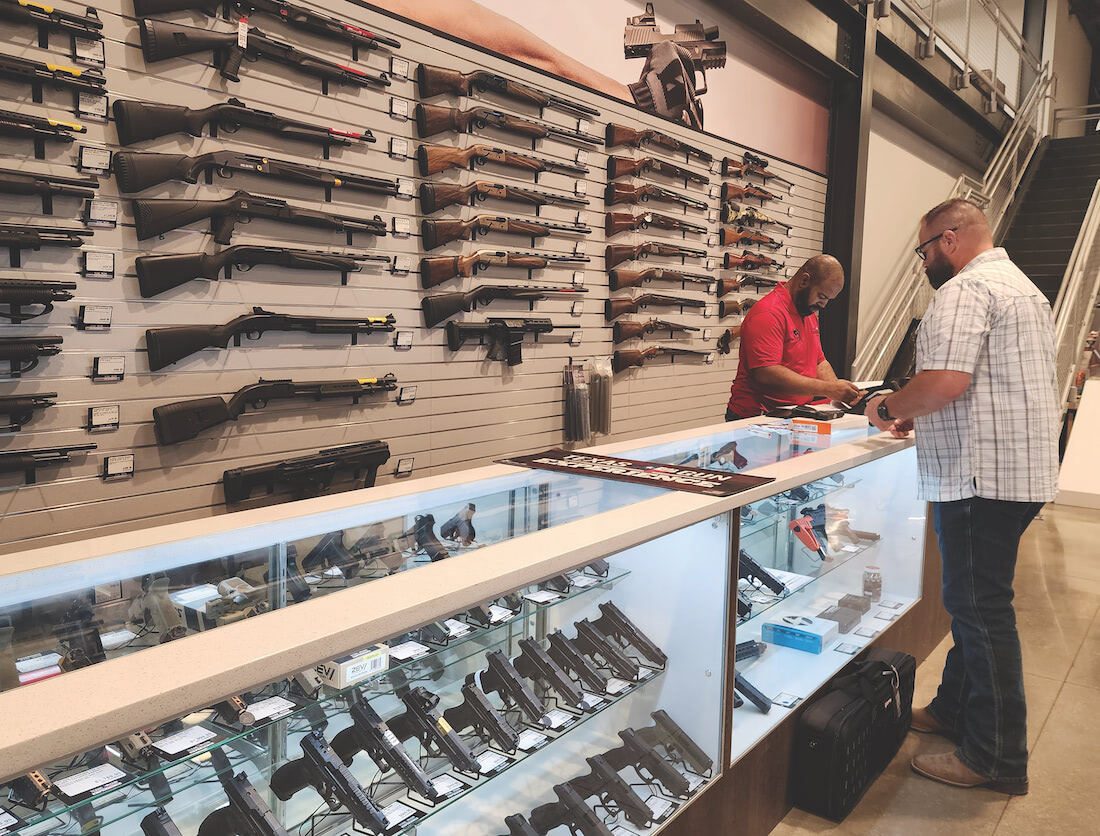
One of the biggest crutches in this industry is the idea that you can’t compete with big-box stores. It’s easy to see why. Stores like Bass Pro Shops and Academy Sports have huge inventories, lower prices and enormous marketing budgets. Amazon is like having your own personal shopper in your pocket. But here’s the thing: Small businesses have something big-box stores and Amazon simply can’t replicate, and that’s a personalized, community-oriented experience. When customers walk into your shop, they should feel like they’re walking into a place where the staff knows their name, understands their needs, and genuinely wants to help them.
Consider the loyal following smaller gun shops or outdoor retailers develop because they stock niche products, host in-store events, and take time to educate their customers. A big-box store might offer hundreds of options for rifles, but you can be the place where a customer learns which one best fits their shooting style or local competitions. Competing on price alone isn’t the answer — you need to double down on service and connection with your customers. That likely means some more work and effort on your part, but when your store becomes synonymous with expertise and trust, you’ll attract customers who value more than just a discount.
2. “All customers care about today is price.”
Another familiar refrain is that customers don’t care about quality, just price.
This couldn’t be further from the truth. While it’s true some shoppers are budget-conscious, many in this marketplace care deeply about performance, reliability and durability. Think about someone investing in a riflescope or a range bag — they’re not always just looking for a bargain. They’re often looking for something that will last through years of use under tough conditions. Educating your customers is the key to flipping this narrative.
Instead of selling based on price, sell on value. For example, if a customer comes in looking for a pair of boots, don’t just point out the least expensive pair on the shelf. Take the time to explain how higher-quality boots will keep their feet warmer, drier, and more comfortable during long treks — and likely last a lot longer than cheap ones. Demonstrating the long-term savings and benefits of a well-made product can turn a price-focused shopper into a loyal repeat customer. By training your staff to communicate the value of premium products, you’ll position your business as a trusted guide rather than just another store.

3. “Marketing doesn’t work.”
Oh, the old excuse that marketing doesn’t work in our industry. Sure, advertising firearms comes with its own set of unique restrictions, but that doesn’t mean effective marketing is impossible. In fact, this industry thrives on connections and storytelling — two things that good marketing is all about. Social media platforms like Instagram and YouTube offer ways to showcase products, tell customer success stories, and build brand loyalty. Even better, email marketing is still a powerhouse for reaching customers directly, especially when paired with an irresistible offer.
Imagine sending out a campaign offering “Buy a Shotgun, Get a Free Training Class.” Not only does this give customers immediate value, but it also creates an opportunity for them to visit your store, engage with your staff, and potentially make additional purchases. The key here is that your offer isn’t just about discounts — it’s about solving their problem or providing them a unique experience. Pair this with some A/B testing on subject lines and email content, and you’ll quickly learn what resonates with your audience.
Hosting in-store events is another fantastic way to market your business. Whether it’s a concealed carry class, a free seminar on prepping for hunting season, or a range day where customers can try out different firearms, these events build relationships and draw people into your store. Marketing isn’t just about placing ads and waiting for the money to come anymore — today, it’s about creating moments that make your customers think of you first when they need something.
4. “I just can’t keep up…”
It’s true — this industry evolves quickly. From advancements in optics to changing regulations, staying informed can feel like a full-time job, but the good news is, even though many business owners suffer from “delegation paralysis,” you don’t have to do it alone. Your team is your greatest resource. When you hire staff who are passionate about firearms, they’ll naturally keep you plugged into what’s new and relevant. Regular training sessions can also ensure your team stays on top of product knowledge and customer service techniques.
Your “team” isn’t just the employees in your store, though. It extends to your web designer, your advertising representatives, and, yes, your product vendors. A great example of staying ahead of trends is building relationships with your vendors. Set appointments with them. Attend trade shows, participate in webinars, and lean on your sales reps to educate you about new products and the best ways to sell them. Remember: They are as invested in you as you are in them. When you sell more, they make more, and I’ve never met a sales representative that wanted to turn down more orders. Let them help.
When you can confidently guide a customer through the latest advancements in suppressors or GPS devices, they’ll trust your expertise — and that trust keeps them coming back. “Can’t” is a word that is often misused in place of what the person saying it really means — “won’t.” Commit now to eliminate the word “can’t” and replace it with the question, “How can I?”
Your bank account will thank you.
5. “We’ve always done it this way.”
This mindset is perhaps the most damaging of all. The retail world has changed dramatically over just the past few years, and, quite frankly, customers expect more of you, your business and the products they buy than they did a decade ago. Sticking to old methods — like relying solely on in-store sales or avoiding e-commerce — means you’re leaving an ever-larger bucket of money on the table. Embracing new strategies doesn’t mean abandoning what works; it means enhancing it. For example, adding a website, blog, and an online store to your business can complement your physical location. Customers might browse online and then visit in person to make a purchase. Offering services like curbside pickup or an online booking system for classes adds convenience, which today’s shoppers love. Updating your inventory management system, investing in modern point-of-sale software, or even refreshing the layout of your store are small changes that can have a big impact.
Recognizing Opportunities
Here’s the common thread running through all these excuses: They can all be addressed by minimal effort and hiring and training the right staff.
Your team is the face of your business. They are the engine driving sales and the reason customers will choose you over a competitor. When you hire employees who are passionate, knowledgeable, and eager to learn, you’re setting your business up for success. Training is just as important as hiring. Your staff should know how to educate customers about product value, create meaningful connections, and adapt to industry trends. On a recent trip to Alaska, I visited not one, but two of the big-box vendors to pick up some fishing gear. In both of their fishing departments, my questions on the best baits and techniques were met with, “I’m not really a big fisherman…” Talk about a wasted opportunity!
This is why you need to train and cross-train your staff. A great training program doesn’t have to be complicated. Start with the basics, like customer service best practices, and layer in necessary product-specific knowledge over time. Take them out in the field to use the products they sell if they aren’t familiar with them. Regularly revisit training topics to keep your team sharp, and encourage them to share their own insights from the sales floor.
Ultimately, overcoming these excuses requires a shift in mindset. Instead of seeing challenges as obstacles, view them as opportunities to differentiate your business.
Small retailers in the firearms industry have the advantage of being nimble, community-focused, and able to provide personalized service in a way big-box stores and websites like Amazon simply can’t. By leaning into these strengths — and by hiring and training the right team — you’ll turn excuses into growth opportunities.
In a world where customers are looking for more than just products, businesses that focus on connection, education and adaptability will stand out. If you’re ready to leave the excuses behind, it’s time to step up, think creatively, and show your customers why your business is worth choosing.