
When you think about pocket pistols, there’s no denying that they occupy a unique corner of the concealed carry market. Whether it's summer clothing, business attire, or simply the desire for a gun that's easy to carry every day, many customers begin to explore the smallest of frame sizes offered.
That said, just because a handgun is small doesn’t make it a good choice for pocket carry. Size and weight are only part of the equation. How the gun carries, how easily it can be drawn, the availability of a quality pocket holster, and the customer's intended use all deserve consideration. Retailers who understand these factors are better equipped to help customers choose a handgun that's well suited for pocket carry instead of simply the smallest pistol on the shelf.
Unique Aspects
Pocket carry is perhaps one of the most misunderstood carry methods, with many people unknowingly assuming it means dropping a handgun in your pocket and calling it good. In reality, there are holsters specifically designed for pocket carry with unique features not found in holsters designed for carrying inside your waistband, for example. A quality holster for this method covers the trigger guard, keeps the pistol oriented for a consistent draw, and helps prevent the holster from coming out of your pocket when you draw the gun.
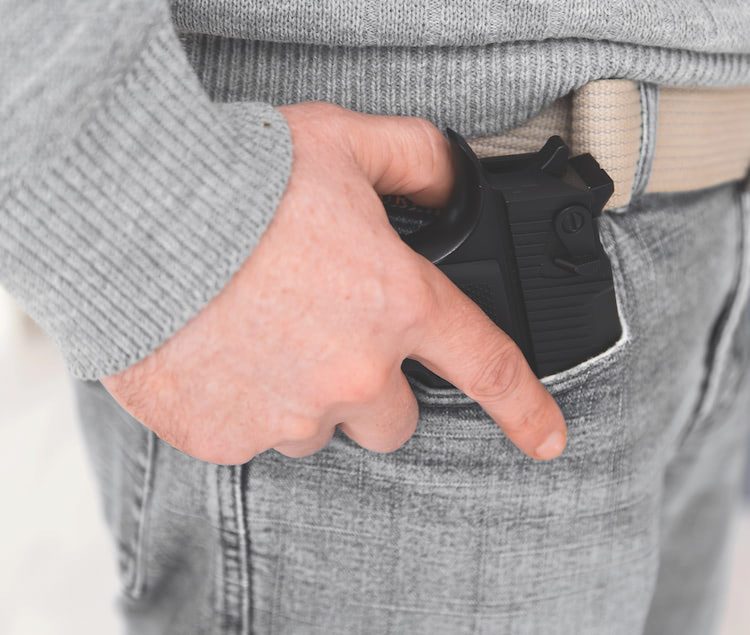
Another advantage of pocket carry is the ability to discreetly obtain a grip on the gun without drawing attention to yourself or further escalating the situation. If someone recognizes a potential threat, they can discreetly grip the handgun while it remains concealed in the pocket. To anyone nearby, it simply looks like a hand resting in a pocket rather than you preparing to draw a firearm. This can shave seconds off your draw time if the situation continues to deteriorate. Like any aspect of concealed carry, though, good judgment is still the deciding factor.
Pocket Draw
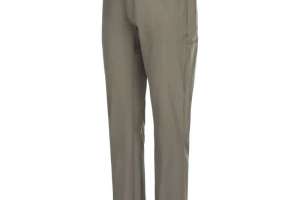
Pocket carry comes with its own learning curve. The mechanics of the draw are different from those of a belt holster, and in many cases they're slower, especially when you're seated or behind the wheel of a vehicle. Getting the gun out cleanly without catching the front sight or pulling the holster out with it takes practice. It's also worth practicing with the clothing you'll actually wear, since pocket size, pocket depth, and even the fabric can noticeably affect how quickly and consistently you can access the handgun.
As with any draw stroke, practice should start with an unloaded firearm or a dedicated training gun. One of the first skills to develop is getting a full firing grip before the pistol ever leaves the pocket. If the grip has to be adjusted after the gun is out, the draw becomes slower and less consistent. It's also important to practice from realistic positions instead of only standing on a square range. Sitting in a vehicle, wearing different types of clothing, or carrying a bag can all affect access to a pocket-carried handgun, and those limitations are important to understand before choosing to carry in this manner.
Good Choices
Just because a handgun is small doesn't automatically make it a good choice for pocket carry. Weight plays a major role. A pistol that's too heavy can tug on lightweight pants, print more than expected, or simply become uncomfortable enough that it gets left at home. Size matters, too. The gun should fit completely inside the pocket while still leaving enough room to get a proper grip before beginning to draw.
The gun's overall profile is just as important. Rounded contours tend to come out of a pocket more easily than pistols with sharp edges or protruding controls that may get snagged on clothing. Features like oversized magazine releases, extended controls, threaded barrels, and even some taller sights can hang up on pockets. For a pistol that's intended primarily for pocket carry, a simple streamlined design is ideal. How a gun handles, as well as its reliability and accuracy, should play a larger role in the decision-making process than size alone. It's easy for customers to focus on finding the smallest pistol in the display case, but if a gun is unpleasant to shoot or difficult to control, they’re highly unlikely to train with it.
It’s also important to recognize that just because a gun may perform well as a belt-carried defensive pistol, it may not offer the features that make pocket carry practical. Things such as mounted lights, lasers, longer barrels, red dots, and double-stack magazines can affect how viable a gun is for pocket carry. Full-size defensive pistols fall into the same category. While exceptions are always possible based on clothing or body type, they're generally too large to conceal well and access from a pocket.
Holster Options
If there's one piece of gear that shouldn't be overlooked, it's the pocket holster. A good one does far more than cover the trigger guard. It keeps the pistol securely positioned without it shifting around, helps to minimize or even eliminate printing, and is designed to stay in the pocket when the gun is drawn. Many accomplish this with a textured exterior or a hook that catches the edge of the pocket during the draw. Whatever the design, it should be made for the specific handgun being carried. Generic, soft nylon holsters that collapse or provide poor retention often create more problems than they solve.
For retailers helping guide that decision, the following three pistols highlight the features that make a handgun practical for everyday pocket carry.
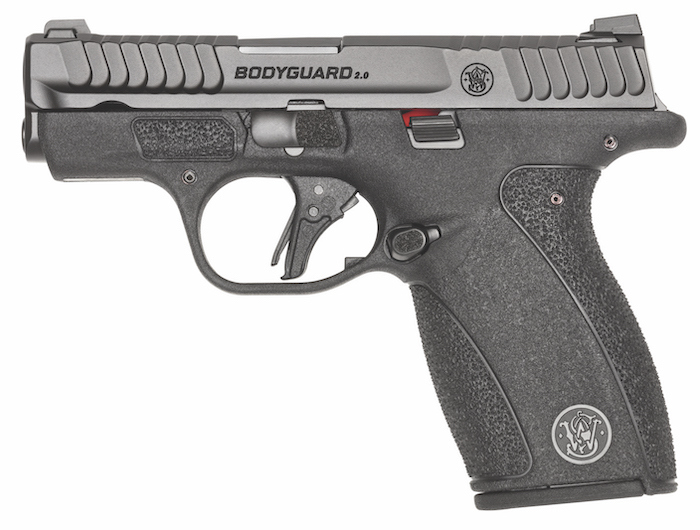
The Smith & Wesson Bodyguard has earned a solid reputation as a dependable pocket pistol over the years, and the new Bodyguard 2.0 builds on that foundation with several worthwhile improvements. Chambered in .380 ACP, it's still slim enough to slip comfortably into a pocket holster while adding better ergonomics and more refined controls. The textured grip helps keep it secure in your hand, which is especially helpful when shooting handguns of this size. Smith & Wesson also gave the trigger a noticeable upgrade, making it smoother and more consistent than the original version. Low-profile sights help keep the pistol from snagging on clothing during the draw while still offering a usable sight picture.

The Taurus GX4 provides a 9mm pocket-carry solution that combines a small footprint with the capacity and features normally seen in larger carry pistols. This micro-compact is popular for its slim profile, 11-round capacity, interchangeable backstraps for a customized fit, and ergonomic grip. While it pushes the upper end of what many consider a pocket pistol, the GX4 can still be a viable option for customers with the right clothing and a quality pocket holster.
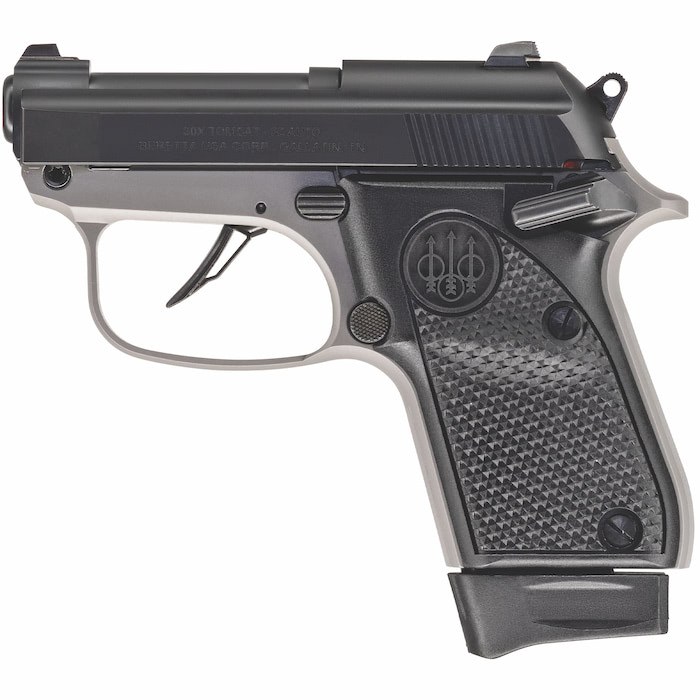
The Beretta 30X Tomcat stands out in the carry gun market. Instead of being chambered in a common defensive round such as .9mm Luger or .380 ACP, the 30X is chambered in soft-shooting .32 ACP. Its lightweight design, combined with its slim profile and rounded snag-free edges, makes it a pleasure to train with and comfortable to carry all day long. Its tip-up barrel allows the user to load the gun without racking the slide, a feature that's particularly appealing for customers who have difficulty operating smaller semi-automatic handguns.
A Useful Option
Pocket carry isn't for everyone, but it is a useful option for those who understand what it does well and where it has limitations. As with any method of carry, how well it's executed boils down to choosing the right handgun, holster, and putting in the time to train. Retailers who understand the unique differences between pocket carry and other methods are better positioned to guide customers in making an educated purchase.